Commercial cleaning and food hygiene professionals in Brampton support food establishments, food centers, bakeries, warehouses, and food service operations maintaining standards. They sanitize high-contact points, food preparation surfaces, equipment, floors, drains, restrooms, and prep zones using certified products, maintaining proper ratios, and recording exposure duration. You require regular sanitation determined by risk, volume, allergens, and inspections, along with verification records that support HACCP, quality reviews, and regulatory adherence. The sections below outlines what strong sanitation programs should include.
Important Highlights
- Brampton's food safety cleaning professionals provide services to restaurants, grocery departments, commissaries, warehouses, bakeries, schools, mobile vendors, and allergen-sensitive operations.
- High-touch surfaces, food-contact equipment, kitchens, floors, drains, restrooms, and storage areas are cleaned using sectional methods to eliminate cross-contamination.
- Verification of proper chemical concentration, alignment, and exposure duration is conducted by qualified providers, with conclusion logged using swabs, reviews, and correction logs.
- Everyday, regular, and annual operations assigned by zone make up hygiene schedules grounded on threat, output capacity, changeovers, accidents, and standards.
- Choose vendors with hazard analysis knowledge, sanitation, understanding, WHMIS, instruction, insurance, endorsements, color-coded implements, and compliance-ready hygiene paperwork.
What Brampton Venues Require Food Safety Cleaning?
You must adhere to food safety cleaning if your operation is subject to health inspections, food codes, or HACCP protocols. This covers food venues, break rooms, food centers, supermarket areas, butcheries, seafood displays, shops, and commercial food prep.
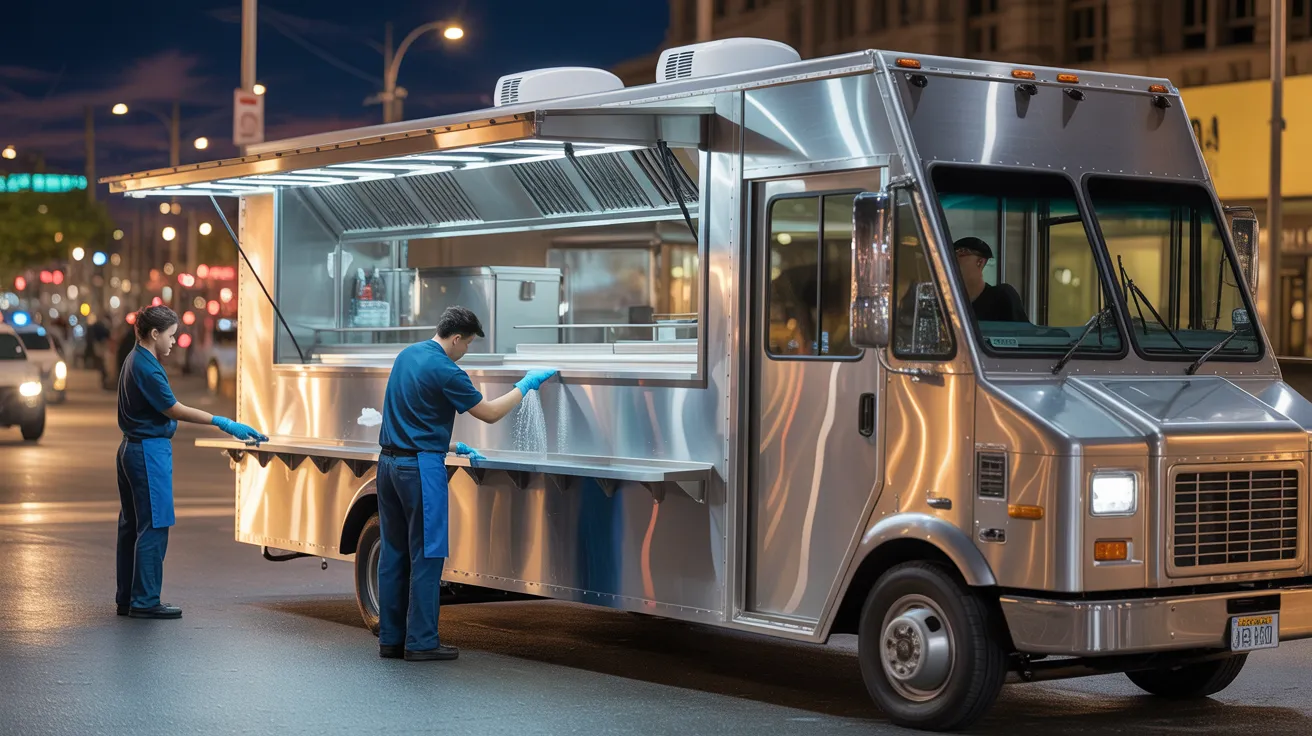
Compliant food safety cleaning continues to be required in supply warehouses, processing plants, freezer locations, commercial bakeries, school food programs, reception facilities, and food delivery centers. Seasonal and mobile businesses count too, examples being catering trucks, festival vendors, and pop-up food booths. Your facility needs written cleaning standards when your staff process ingredients, portion ready-to-eat items, reheat products, or store allergens. In Brampton, food safety is not voluntary; it constitutes lawful, operational, and customer protection standards.
What Do Brampton Cleaning Experts Clean?
You need skilled cleaning experts who sanitize frequently touched areas, cooking areas, flooring, and restroom facilities to ensure compliance with food safety and health standards. These areas are targeted because they carry the greatest contamination risk, falling hazards, and regulatory breaches.
Understanding their cleaning procedures enables you to validate your facility's cleaning meets operational demands and regulatory compliance.
Disinfecting High-Touch Surfaces
create a disinfection protocol
in cases where outcomes are beyond target ranges. They also reduce cross-contamination via rotating cloths, maintaining sequential processes
Cooking Zones, Walking Surfaces, and Restroom Environments
Brampton cleaning services zero in on kitchens, floors, and restrooms as each zone involves distinct food safety, slip-and-fall, and wellness concerns. In industrial kitchens, you need degreasing on cook lines, equipment exteriors, drains, prep surfaces, and splash zones to reduce contamination and pest pressure.
Documented floor care is likewise provided as part of the service.
Restroom cleaning requires disinfecting touch areas, bathroom equipment, stall barriers, supply stations, and bins, replacing items and managing smells. They also maintain restaurant cleaning supply rooms where product storage, sink cleanliness, and drain systems impact daily sanitation standards and worker protection.
Why Food Safety Cleaning Matters in Brampton
Brampton operations demand proper hygiene standards to meet compliance obligations and pass audits. You also minimize bacterial spread through proper cleaning of food-preparation surfaces, appliances, and frequently-touched items. Most importantly, you safeguard public health by lowering the risk of foodborne illness in your facility.
Regulatory Code Requirements
Since Brampton food businesses must follow strict public health standards, your hygiene maintenance directly impacts your ability to meet health codes, protect diners, and prevent regulatory penalties. You must maintain sanitized food contact points, verifiable cleaning logs, proper chemical use, and documented employee protocols that comply with municipal and provincial inspection expectations.
When cleaning standards weaken, citations, corrective orders, brand harm, and operational disruption from further inspections or enforcement actions become threats.
Cross-Contamination Management
Adhering to health code standards requires your skill in preventing cross-contamination throughout routine preparation and sanitation work. You need to isolate uncooked items from finished products, sanitize work stations after each task, and keep chemicals away from food-contact items. Structured procedures reduce transfer risks and maintain ongoing regulatory adherence.
You should establish allergen separation to prevent major allergens from touching common work areas, storage bins, or tools. Employ separate boards, labeled implements, and strict utensil labeling so staff don't mix items during preparation or service. Require handwashing after handling uncooked proteins, shellfish, egg items, or allergen products. Change cleaning rags frequently, and check disinfectant potency using test kits. When staff members receive training on these procedures every shift, you build a more hygienic, secure workplace that satisfies Brampton's safety standards daily.
Community Health Assurance
If food safety cleaning deteriorates, you don't merely face potential inspection issues—you amplify the risk of foodborne illness affecting customers, staff, and the broader Brampton area. You also undermine your responsibility in safeguarding community wellness, especially in busy food facilities where pathogens travel quickly through surfaces, equipment, and touchpoints.
You must establish sanitation protocols that eliminate soils, sanitize properly, and verify outcomes. This involves adhering to exposure times, utilizing approved disinfectants, logging schedules, and training employees to satisfy health-unit expectations. These mechanisms support disease prevention by limiting pathogens before reaching food or hands. Across Brampton, effective sanitation protects at-risk populations, limits outbreak risk, and demonstrates accountability. When you follow standards, you exceed regulations—you meaningfully reduce risk and facilitate secure food handling city-wide.
How Can Cleaning Practices Ensure Food Safety Compliance?
Implementing comprehensive cleaning schedules bolsters food safety compliance by reducing contamination risks, preventing pathogen multiplication, and keeping your facility aligned with sanitation requirements under HACCP-based programs and public health regulations. You validate that contact surfaces appear visibly clean and microbiologically controlled, backing documented preventive controls and inspection readiness.
Cleaning efforts additionally fortify allergen mitigation by eliminating residues that can provoke undeclared allergen exposure.
What's the Ideal Time to Schedule Commercial Cleaning?
maintenance activities.
Use weekly or monthly schedules
What Should You Look For in Brampton Cleaning Experts?
Screen providers initially by their food hygiene standards—not budget alone. You need to confirm that every company meets CFIA, public health, and HACCP standards for your operation. Demand proof of insurance, WHMIS compliance, training records, and management systems. Evaluate technician understanding of contamination dangers, chemical safety, and documented sanitation practices.
You should further examine service consistency and accountability. Request references from food facilities in Brampton, then review reply speed, corrective action plans, and communication protocols. Validate the company facilitates supplier audits and can present inspection-ready documentation to authorities or third parties. Confirm equipment is maintained, colour-coded tools are applied correctly, and site-specific hazards are recognized. A experienced service ensures regulatory compliance, product integrity, and your brand reputation.
What does a cleaning and sanitation plan encompass?
Create a documented plan that clarifies every sanitation task, standard, and responsibility prior to production start. You should detail cleaning schedules, authorized chemicals, concentration levels, contact duration, implements, and validation techniques for each location, surface, and apparatus. Include pre-operational inspections, corrective actions, and employee training requirements.
Your plan should also address cross-contamination controls, waste handling, pest-prevention measures, and documented schedules for restrooms, drains, floors, and food-contact areas. Detail how you'll keep raw and ready-to-eat processes separate, support ingredient tracking, and maintain accurate allergen labeling through validated cleaning between product changes. You should set accountability, keep signed records, and assess results against regulatory standards, HACCP controls, and customer requirements. When gaps appear, modify procedures immediately and retrain staff.
Regular Posed Questions
Will cleaning services manage nighttime hours at Brampton facilities?
Yes, you can set up cleaning services to manage nighttime operations in Brampton facilities. You'll arrange nighttime cleaning around production schedules, access requirements, and personnel requirements. Services typically outline nightshift logistics to prevent disruption, copyright compliance, and document finished tasks. You should verify response times, oversight, access procedures, and disposal methods before service starts.
Are emergency spill response services available from Brampton cleaning experts?
Yes, you can find many Brampton cleaning professionals offering emergency response services. They manage hazardous materials, assess dangers, contain affected areas, and perform swift decontamination to minimize risk and limit operational impact. You should confirm timeframes, training credentials, safety measures, and disposal methods. If your facility must meet standards, pick a provider that documents incidents, follows procedures, and ensures verification.
Can plant-based disinfectants be applied securely on food-handling equipment?
Definitely, natural disinfectants perform safely on food-handling equipment if you buy disinfectants approved for food contact that comply with regulatory standards. You should check application timing, dilution rates, and rinse requirements prior to application. Natural-based solutions minimize harsh chemical exposure, but you must have evidence of effectiveness against specific pathogens. To maintain residue-free conditions, follow manufacturer instructions exactly and ensure your cleaning agent complies with food sanitation requirements.
Will cleaning plans adapt to seasonal production changes?
Yes, you can modify cleaning plans for production fluctuations. You should adapt frequencies, staffing, chemicals, and verification steps to match seasonal patterns while preserving regulatory adherence. You'll reduce equipment downtime by timing disinfection around production shifts, peak seasons, and usage cycles. You should also update procedural documents, employee training, and facility monitoring to address transient threats, additional allergens, or higher contamination levels. Continuous reviews keep your strategy effective.
Will commercial cleaners teach your staff on sanitation best practices?
Yes, commercial cleaners typically educate your team on hygiene standards. You receive staff training on correct chemical application, exposure periods, cross-contamination prevention, equipment disassembly, and documentation. They typically align training with HACCP, GMP, and CFIA or local public health regulations. Many perform hygiene inspections to verify compliance, identify gaps, and reinforce corrective actions. This allows you to sustain uniform processes, succeed in audits, and minimize contamination hazards regularly.
Conclusion
Through engaging Brampton food safety and commercial cleaning experts, you try this do far more than tidy—you keep your operation prepared for inspections and your procedures stay aligned with regulations. From production floors to kitchens, all maintained surfaces and organized zones reduce contamination risks and prevent significant costs. Through scheduling maintenance at proper intervals and sticking to a solid cleaning plan, you safeguard your team, your patrons, and your good name. Within strict regulatory frameworks, clean conditions cannot be considered optional—they are fundamental to success.